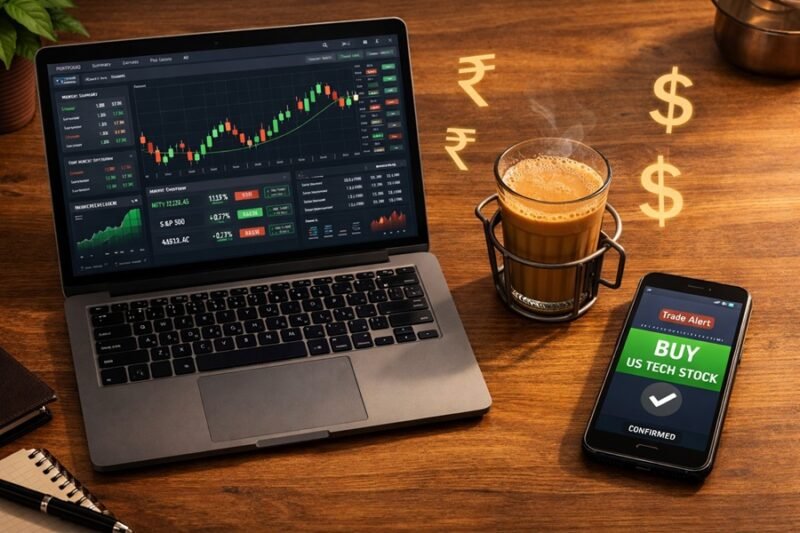

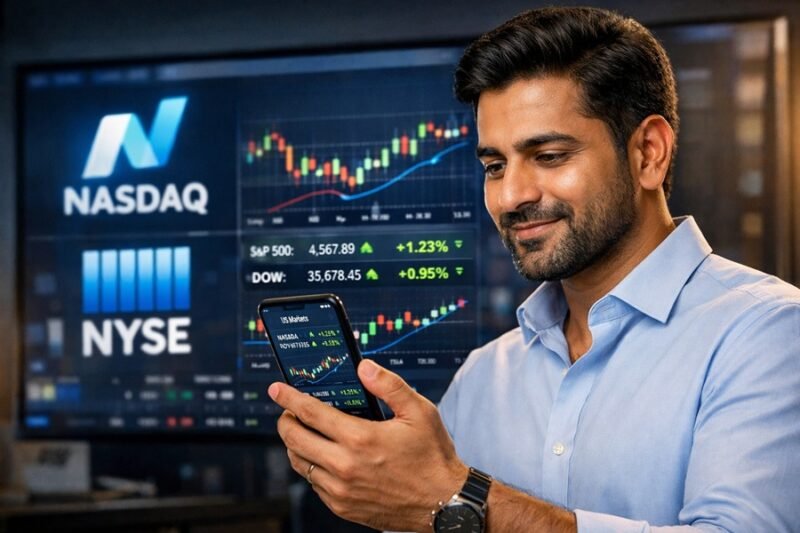

The world of investing has never been more accessible. Gone are the days of expensive brokerage calls and high barriers to entry. Today, the power to trade Apple, Tesla, or the S&P 500 lies right in your pocket. However, with dozens of platforms flooding the market, finding the right us trading app can feel like finding a needle in a haystack.
Choosing a trading platform is not just about a pretty interface; it is about the safety of your capital, the costs of your trades, and the tools at your disposal. Whether you are a day trader looking for speed or a long-term investor seeking stability, this guide will help you identify the perfect us trading app for your needs.
1. Regulatory Compliance and Security
Before you look at features or fees, you must verify safety. The US financial market is heavily regulated to protect investors, and your chosen app must adhere to these strict standards.
-
SEC and FINRA: Ensure the app is registered with the Securities and Exchange Commission (SEC) and is a member of the Financial Industry Regulatory Authority (FINRA). These bodies oversee fair trading practices.
-
SIPC Insurance: A reliable us trading app will almost always be a member of the Securities Investor Protection Corporation (SIPC). This protects your cash and securities up to $500,000 in the event the brokerage firm fails (though it does not protect against market losses).
-
Data Encryption: Look for apps that offer Two-Factor Authentication (2FA) and high-level encryption to protect your personal data from cyber threats.
2. Fee Structures and Hidden Costs
The industry standard has shifted toward “zero-commission” trades, but that does not mean trading is entirely free. Brokers still need to make money, and they often do so in ways that are not immediately obvious.
When evaluating a us trading app, check the fine print for:
-
Spreads: Some apps widen the “bid-ask spread” (the difference between the buy and sell price), effectively charging you a hidden fee on every trade.
-
Inactivity Fees: Will you be charged if you don’t trade for a few months?
-
Withdrawal Fees: How much does it cost to move your money back to your bank account?
-
Data Fees: While basic data is usually free, real-time Level 2 market data often requires a subscription.
3. User Interface and Experience (UI/UX)
Your experience level should dictate the complexity of the app you choose. A professional trader needs density of data, while a beginner needs clarity.
-
For Beginners: Look for a clean, intuitive design that simplifies the buying process. Features like “Fractional Shares” are essential here, allowing you to invest small amounts in expensive stocks (e.g., buying $50 worth of a $500 stock).
-
For Active Traders: You need an app that prioritizes speed, customizable charting, and rapid order execution.
4. Available Assets and Markets
Not every us trading app offers the same menu of investments. If you want to build a diversified portfolio, you need to ensure the platform supports your desired asset classes.
-
Stocks & ETFs: The standard offering.
-
Options & Futures: Required for advanced hedging or speculation strategies.
-
Cryptocurrency: Many modern equity apps now allow you to trade Bitcoin and Ethereum alongside stocks.
-
Mutual Funds: Essential for passive retirement investing, though some “trading-focused” apps do not support them.
5. Research and Educational Tools
The best investors are informed investors. A high-quality us trading app should act as a research partner, not just a transaction utility.
Look for platforms that integrate:
-
Real-time News Feeds: Updates from sources like Bloomberg or Reuters.
-
Stock Screeners: Tools to filter stocks based on P/E ratio, dividend yield, or market cap.
-
Analyst Ratings: Consensus ratings (Buy/Hold/Sell) from professional Wall Street analysts.
Conclusion
Selecting the right platform is a personal journey that balances cost, functionality, and safety. Don’t rush the process. We recommend downloading the free versions of a few top contenders to test their interfaces before funding an account. By focusing on regulation, transparent fees, and robust research tools, you can confidently select a us trading app that empowers your financial journey.