

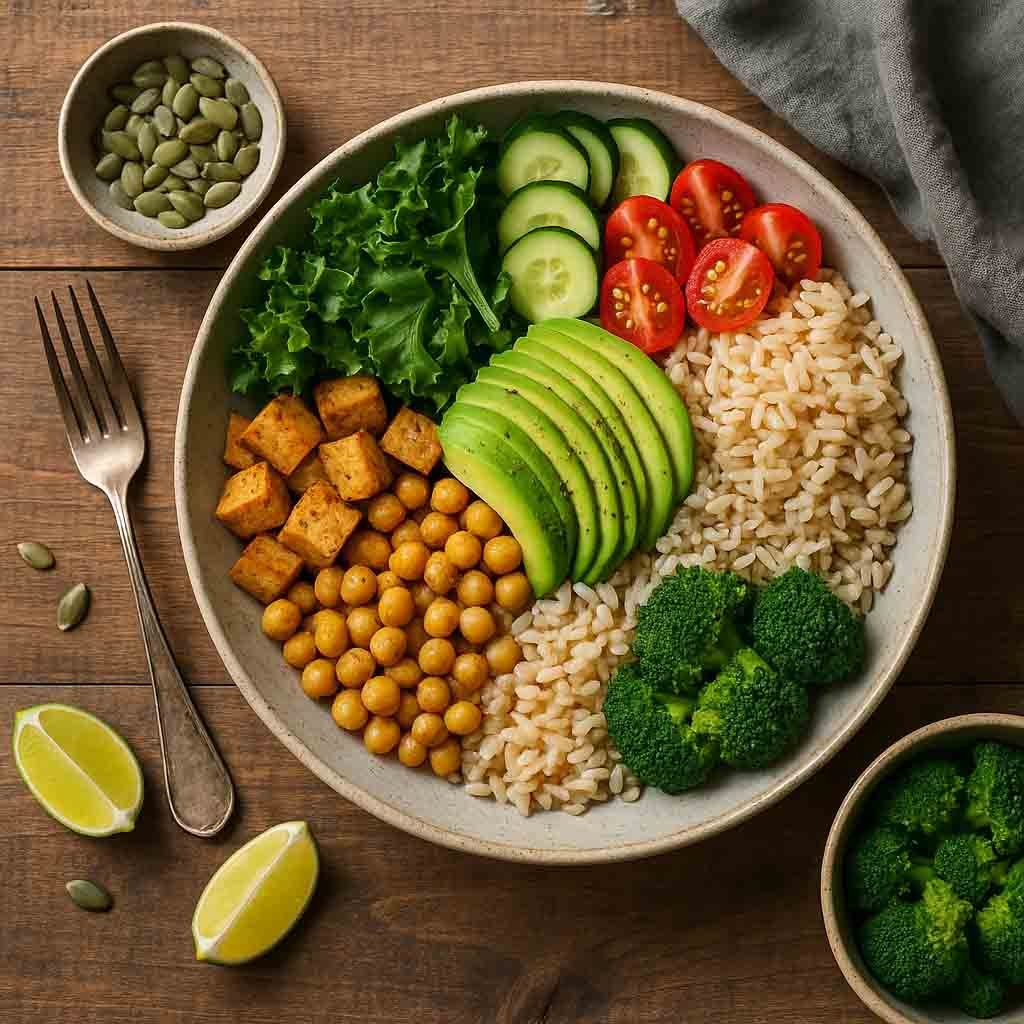

Why Plant-Based Living is More Than a Trend
From health-conscious millennials to seasoned dietitians, plant-based living has become a lifestyle embraced by millions worldwide. But what exactly does a plant-based diet guide entail—and how does it differ from veganism? Whether you’re looking to improve your health, support sustainability, or just feel more energized, this guide breaks down exactly what to eat on a plant-based diet, what to avoid, and how to transition with confidence.
🌾 Vegan Diet vs. Plant-Based: What’s the Real Difference?
Though they sound similar, vegan and plant-based diets have distinct goals and approaches. A vegan diet eliminates all animal products—meat, dairy, eggs, and even honey—primarily for ethical and environmental reasons.
Plant-based living, however, focuses more on eating whole, minimally processed foods that come from plants. While many plant-based eaters avoid animal products entirely, others may occasionally include items like eggs or dairy. The emphasis remains on nutrient-dense, clean ingredients that support health and longevity.
Bottom line: All vegans follow a plant-based diet, but not all plant-based eaters are strictly vegan.
🥗 What to Eat on a Plant-Based Diet
The heart of plant-based living lies in choosing nutrient-rich, fiber-packed, and naturally colorful foods. Here’s your essential plant-based food list:
✅ Fruits & Vegetables
Embrace variety and color—leafy greens, berries, sweet potatoes, cruciferous vegetables, tropical fruits, and more.
✅ Whole Grains
Choose oats, quinoa, brown rice, barley, millet, and whole wheat. These grains provide fiber, iron, and complex carbs.
✅ Legumes
Beans, lentils, chickpeas, black beans, and peas are rich in protein, fiber, and essential nutrients, including folate and zinc.
✅ Nuts & Seeds
Include almonds, walnuts, flaxseeds, chia seeds, and hemp hearts for healthy fats and plant-based omega-3 fatty acids.
✅ Healthy Fats
Avocados, olive oil, and nut butters provide heart-healthy fats and aid in the absorption of fat-soluble vitamins.
✅ Plant-Based Protein Sources
Tofu, tempeh, seitan, and edamame are go-to protein options for those wanting to avoid animal products entirely.
❌ Plant-Based Foods to Avoid
While “plant-based” sounds wholesome, it’s important to note that not all plant-derived foods are ideal for a healthy lifestyle. A key part of this plant-based diet guide is learning what not to eat.
🚫 Highly Processed Plant-Based Foods
Plant-based meat substitutes often contain preservatives, sodium, and oils, which may not align with clean eating principles.
🚫 Refined Grains
White bread, white rice, and pasta stripped of their fiber and nutrients spike blood sugar and offer minimal value.
🚫 Added Sugars
Sugary cereals, pastries, and soda—even those made with plant-based ingredients—can contribute to weight gain and energy crashes.
🚫 Hydrogenated Oils
Vegetable shortening and margarine can be plant-derived, but they are often high in trans fats.
🧭 Transitioning to Plant-Based: A Beginner-Friendly Plan
Switching to a beginner plant-based diet doesn’t have to happen overnight. A gradual shift ensures better long-term success.
🔄 Start Small
Begin with Meatless Mondays, or substitute one meal a day with a plant-based option.
🛒 Meal Prep and Plan
Keep staples like canned beans, grains, and veggies on hand to make healthy choices easy.
🧠 Read Labels
Just because it’s labeled “plant-based” doesn’t mean it’s healthy. Look for short ingredient lists with real foods.
🥣 Experiment with Recipes
Try one new plant-based recipe a week—think lentil curry, Buddha bowls, or tofu stir-fry.
✅ Pro Tip: Stay inspired by following reputable plant-based organizations like the Forks Over Knives platform for expert articles, recipes, and studies.
🍃 Clean Eating and Whole Food Plant-Based Living
A clean eating plant-based approach focuses on whole ingredients in their natural state, steering clear of overly processed “junk food vegan” alternatives.
The benefits?
✔️ Better digestion
✔️ More energy
✔️ Improved heart health
✔️ Sustainable weight management
✔️ Reduced risk of chronic disease
🧠 Final Thoughts
Embracing plant-based living isn’t about perfection—it’s about progress. Whether you’re transitioning slowly or making a complete change, the key is to focus on nutrient-dense, whole-food choices and avoid overly processed items that undermine your goals.
Let this guide be your blueprint to a cleaner, healthier, and more sustainable lifestyle—powered by plants.
🙋 FAQs
Q1. Can I still eat eggs or fish on a plant-based diet?
A: Yes, depending on your interpretation. A flexible plant-based diet may include occasional animal products, though many choose to avoid them.
Q2. Is a plant-based diet suitable for kids or seniors?
A: Absolutely! With proper planning, it provides all essential nutrients for any age group.
Q3. What’s the easiest protein source for beginners?
A: Lentils and tofu—they’re versatile, affordable, and easy to prepare.