

Anemia in children is a widespread health concern that affects physical growth, cognitive development, and overall well-being. It occurs when a child’s body does not have enough healthy red blood cells or hemoglobin to carry adequate oxygen to tissues. Anemia in children is particularly common in developing regions due to poor nutrition, infections, and limited access to healthcare. Addressing this issue early is critical, and organizations like Cry America actively work to improve child health outcomes through awareness and intervention programs.
Understanding Anemia in Children
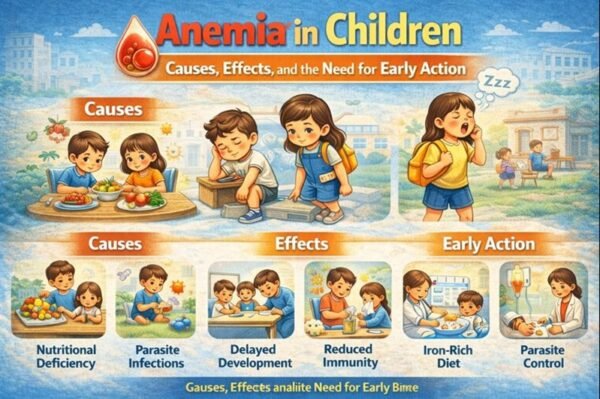
Anemia in children is most often caused by iron deficiency, although deficiencies of folic acid, vitamin B12, and chronic infections can also contribute. Rapid growth during early childhood increases nutritional needs, and when diets lack essential nutrients, anemia develops. Children with anemia may appear pale, tired, weak, and less active than their peers, which often goes unnoticed until the condition becomes severe.
Why Anemia in Children Is a Serious Issue
The impact of anemia in children goes far beyond temporary weakness. Persistent anemia can impair brain development, reduce attention span, and negatively affect learning abilities. Anemic children often struggle academically and may face long-term developmental delays. From a public health perspective, anemia increases vulnerability to infections and slows overall child development, making it a major barrier to national growth and productivity.
Key Risk Factors and Social Impact
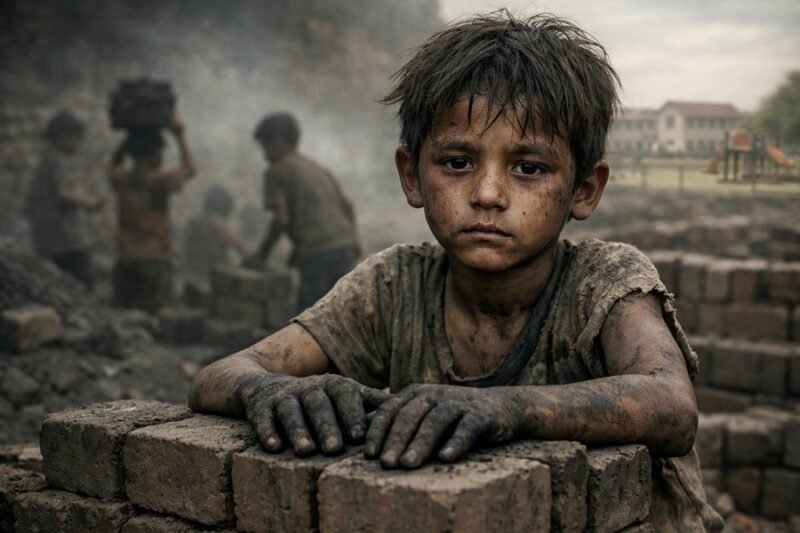
Several social and environmental factors contribute to anemia in children. Poverty, food insecurity, poor maternal health, and lack of awareness about nutrition play a significant role. Children from marginalized communities are at higher risk due to limited access to balanced diets and healthcare services. This creates a cycle where poor health leads to poor educational outcomes, further reinforcing inequality. Through nutrition and child welfare initiatives, Cry America focuses on breaking this cycle by addressing root causes.
Prevention and Management Strategies
Preventing anemia in children requires a multi-layered approach. A diet rich in iron, including green leafy vegetables, legumes, fortified foods, and iron supplements when needed, is essential. Regular health check-ups help detect anemia early and prevent complications. Educating parents and caregivers about proper nutrition and hygiene also plays a crucial role. Community-level programs supported by Cry America emphasize early screening, nutrition awareness, and access to healthcare for vulnerable children.
Conclusion
Anemia in children is a preventable and treatable condition, yet it continues to affect millions worldwide. With timely diagnosis, proper nutrition, and sustained awareness, children can recover and lead healthy, active lives. Combating anemia in children requires collective action from families, communities, healthcare systems, and organizations like Cry America to ensure every child has the opportunity to grow, learn, and thrive.